
As Uganda marked the International Day of Older Persons on 1 October, the national message was clear: older persons must be included, not sidelined.
The Uganda Industrial Research Institute has supported, and continues to support, the elderly community through its programmes. UIRI's work on the ground proves that the best form of care is productive capacity. We don't just care for the elderly; we build their capacity.
This commitment was reaffirmed by H.E. President Yoweri Kaguta Museveni while presiding over the national celebrations at State House, Entebbe, under the theme "Ageing with Dignity: Strengthening Care and Support Systems". The President emphasised that support for older persons should be anchored on family, wealth and a home, and cautioned against fragmenting productive land.
UIRI, as an implementing agency, is aligned with this presidential guidance through five practical interventions:
1. Inclusive skilling without barriers
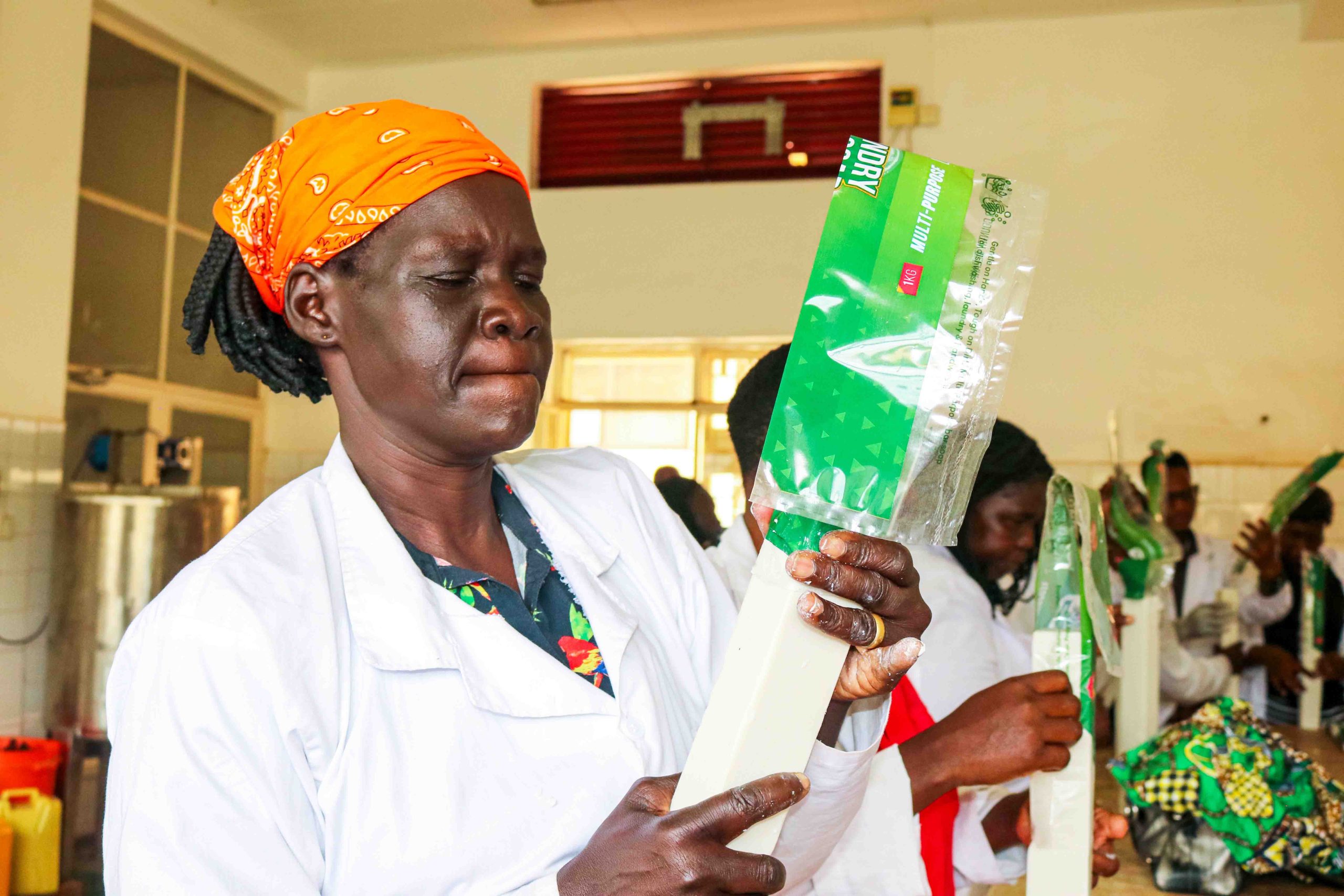
Our community trainings do not discriminate based on age or academic qualifications. According to the official Vote 110 performance report for FY 2024/2025, UIRI empowered over 170 community members from Isingiro, Kinkizi, Serere, Tooro Kingdom and Wakiso, and 215 others from Mukono, Mbarara, Luweero and Kisoro, in value addition including bakery, cosmetics, soap making and fruit processing. Beneficiaries included intergenerational community groups with older persons.
2. Turning grants into sustainable enterprise for older persons
Government provides capital to the elderly through the Social Assistance Grants for Empowerment (SAGE) and the Special Enterprise Group for Older Persons (SEGOP). However, capital without skill is quickly consumed. UIRI closes this gap by providing the technical backbone through training in areas that require little energy, such as soap making and briquette making. Through this, older persons can earn a daily income.
3. Taking technology to older persons
UIRI doesn't wait for older persons to travel to Nakawa and Namanve; we take our work to their communities through field trainings and mobile incubation. This ensures an older person in the countryside can access training in their district of residence. UIRI has decentralised its services through value addition centres such as Lira, home to the UIRI peanut plant; Kasese, where bamboo is prioritised; and Ntungamo, for fruits and vegetables.
4. Labour-saving innovations
Our research on solar dryers and solar generators, currently at the prototype stage, aims to reduce post-harvest losses and save energy by easing physical labour for rural households, many of which are headed by an older person.
5. Wealth preservation through value addition
By training families to add value to what the same land produces, for example turning mangoes into juice that lasts for over six months, milk into yoghurt and groundnuts into peanut butter, UIRI supports the President's call to preserve family wealth and avoid fragmenting productive land through physical inheritance. As the President emphasised, value addition creates more income from the same acreage, which secures homes.
As the Government plans to introduce a tailored Parish Development Model (PDM) for the elderly and to sponsor geriatric specialists, as announced by the President, UIRI stands ready to complement these efforts by ensuring older persons have the productive skills to age with dignity, income security and continued contribution to national development.